
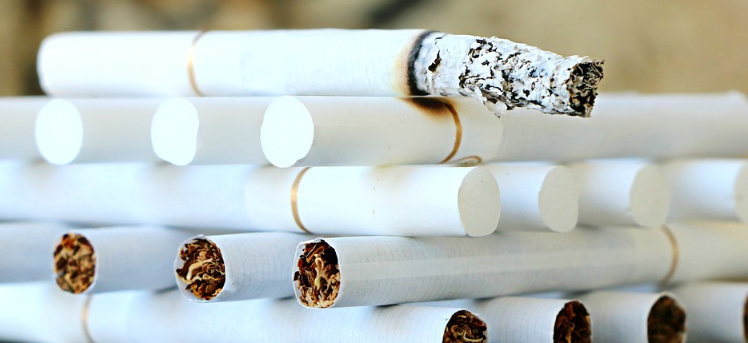
Depending on the quantity, you can count on 10,000 and 20,000 seeds per gram, equal to about half a percentage point per ounce. You cannot plant the tobacco directly on the spot. Hence, the use of tobacco could be beneficial when you use it for snus. Here you can buy snus and get to know more about it.
The Planting
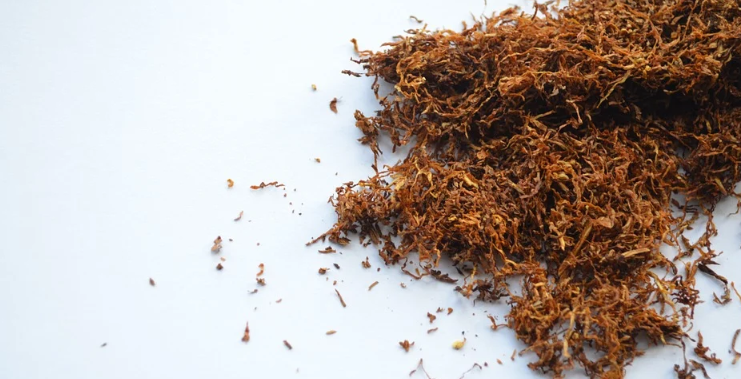
The grower must plant the seedlings, maintain them, and decide on the resulting small plants to transplant. A tobacco plant produces between 20 and 30 leaves, and even more, if the shoots are not removed. Not all of them are usable. Depending on the region’s process, especially if the tobacco plants are crowned or not, the planter will collect between 10 and 16 leaves. If the color increases and irrigation is used, the development is rapid, while the stem is weak.
On the other hand, some archaeological types with rather small leaves do not grow more than one meter high. It is not enough to know the origin of tobacco to guess the cigar’s smoking method. The areas of the stem of these leaves will determine its flavor. The use of tobacco as smoking, chewing, and odor are the main methods of tobacco use. Nicotine has also been used to fatten pigs, but I’m not sure if it is still allowed.
The Maintenance

The tobacco plant is an excellent material for hereditary and standard botanical research, as it is a fast-growing plant that allows many generations to grow each year. Surprisingly, or perhaps not so surprisingly, tobacco has excellent applications to eliminate garden insects and other animals. Be careful and use it with caution. Below are seven methods that tobacco and cigarettes can be used to cure lawn and garden pests.
Suppose you have worms in your garden, commonly known as garden centipedes, water the soil with a mixture of garlic, tobacco, and water. If you have a problem with moles or ground squirrels, shred a pack of cigarettes (the uncompressed number). And throw the stained pieces into the pockets. Just turn off the heater and let them cool. When it has cooled down, press the care. Spray the solution in the garden and in front of the house to remove spiders.
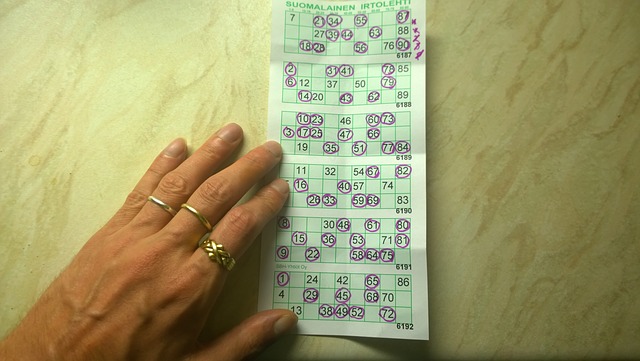
 This typically signifies it is simple to play the competitions at your facility. Now you don’t need to spend a visit to the casino to have the capacity to play with the games. Practically all websites have an advice section that educates the fundamentals of these games. Players can always manipulate these points in sequence to play the game. Examining that the member gets more expert, they could advance to more compressed games. Each player can do following their skill accumulation.
 Until now, net bingo is offered for enjoyment, and the performers do not produce a device to lose. But in the performance, the entertainments begin receiving addictive for your players then it might spell difficulty. People can start betting profoundly, and if they lose, they can work up enormous bills. This may impact their financial fate also.

 The internet casino platforms bring new gamblers by presenting them signup bonuses and moves to real-life poker tournaments. Various sorts of websites offer bonuses of unique values. Usually, the prizes and rewards are given following several raked hands. The typical players are presented using the featured members’ benefits. Internet poker has legal standing in several nations. There are four effective procedures to produce a winning in the internet pokers like a ring, rake sport, tournaments, and internet casinos. There are two chief alternatives to play with poker, online, and via applications. Poker is also played on both mobile devices like cellular telephones, PDA, and iPhone.
 This is the biggest problem in the world today. Oil, the source of nearly 90% of modern civilization’s fuel and energy, is a very limited resource. Scientists already know that oil is running out, which means that all other resources have been depleted. Most plastics are based on oil.
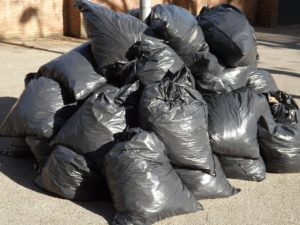 In the 19th century, the average American family produced one-third of the value of a grocery bill per year. This was mostly material that could not be reused elsewhere. Today, the average American produces nearly two pounds of waste per day. Significant changes must be made to reduce waste in daily life.
 Although the media focuses a lot on oil and gasoline, the reality is that water will soon be the world’s biggest problem. Water is a precious natural resource. It fell freely from the sky for thousands of centuries and poured all over the planet for those who needed it. The industrial revolution changed all that. Corporations claimed the right to water and forced people to pay for what was once free. Reckless use of this precious resource led to water shortages in some areas and severe pollution in others.